Aashna
This Funshop was a collaboration with Aashna, a counselling and psychotherapy service. The event, initially planned for the Summer, was organised to celebrate LGBTQIA Pride (1-30 June) and South Asian Heritage Month (July 17 - August 18).
The Funshop eventually took place on the 1st November 2025 due to unforeseen circumstances, but still focused on discussing and navigating the intersection of Asian and LGBTQ+ identities. The event was open to Aashna staff and members of the public. It was an afternoon of connection, colour and creativity.
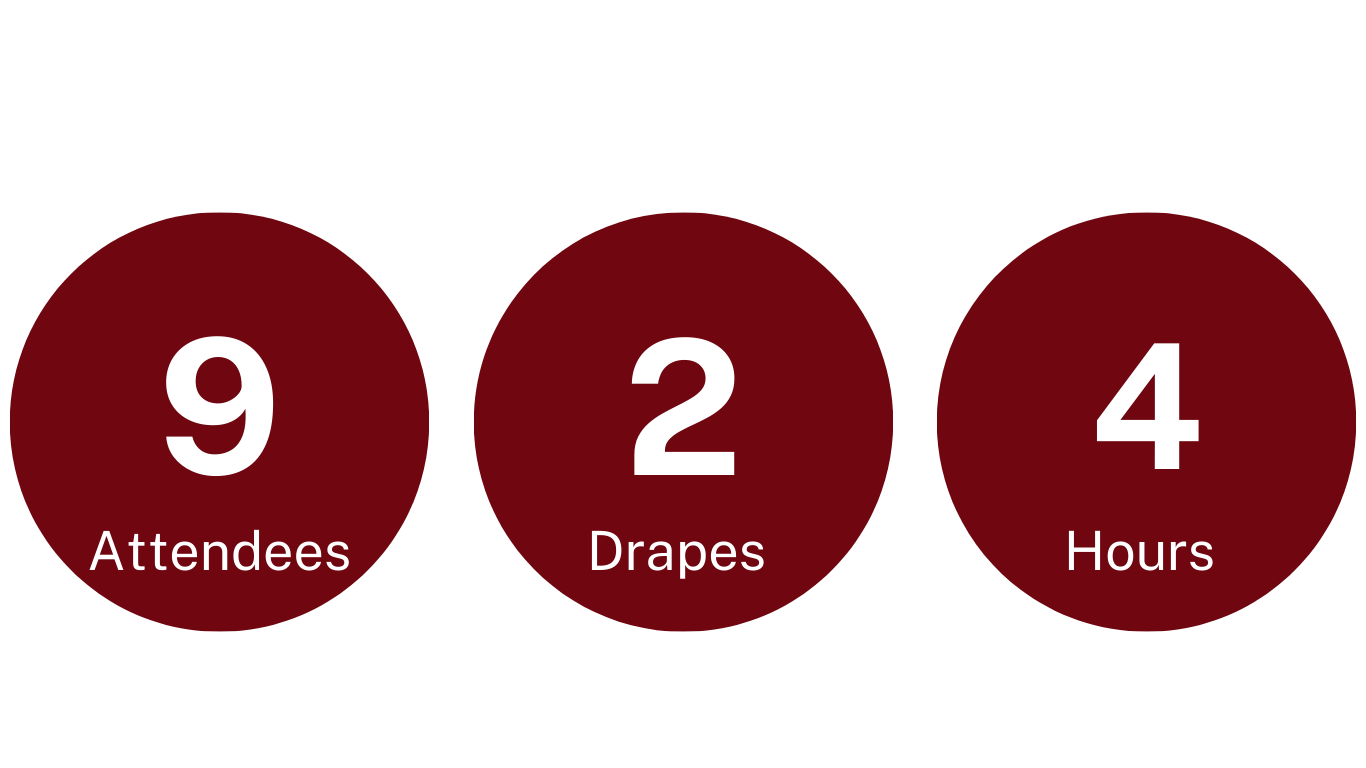
Snapshot…
Discussion and Intentions
Our collaboration with Aashna for this Funshop had been in the pipeline for a long time and it was something we were really enthusiastic about. We admire Aashna’s critical mental health work and particularly their determination to support people who may struggle to access mainstream therapeutic services. Working with them to tailor this Funshop was a privilege for us.
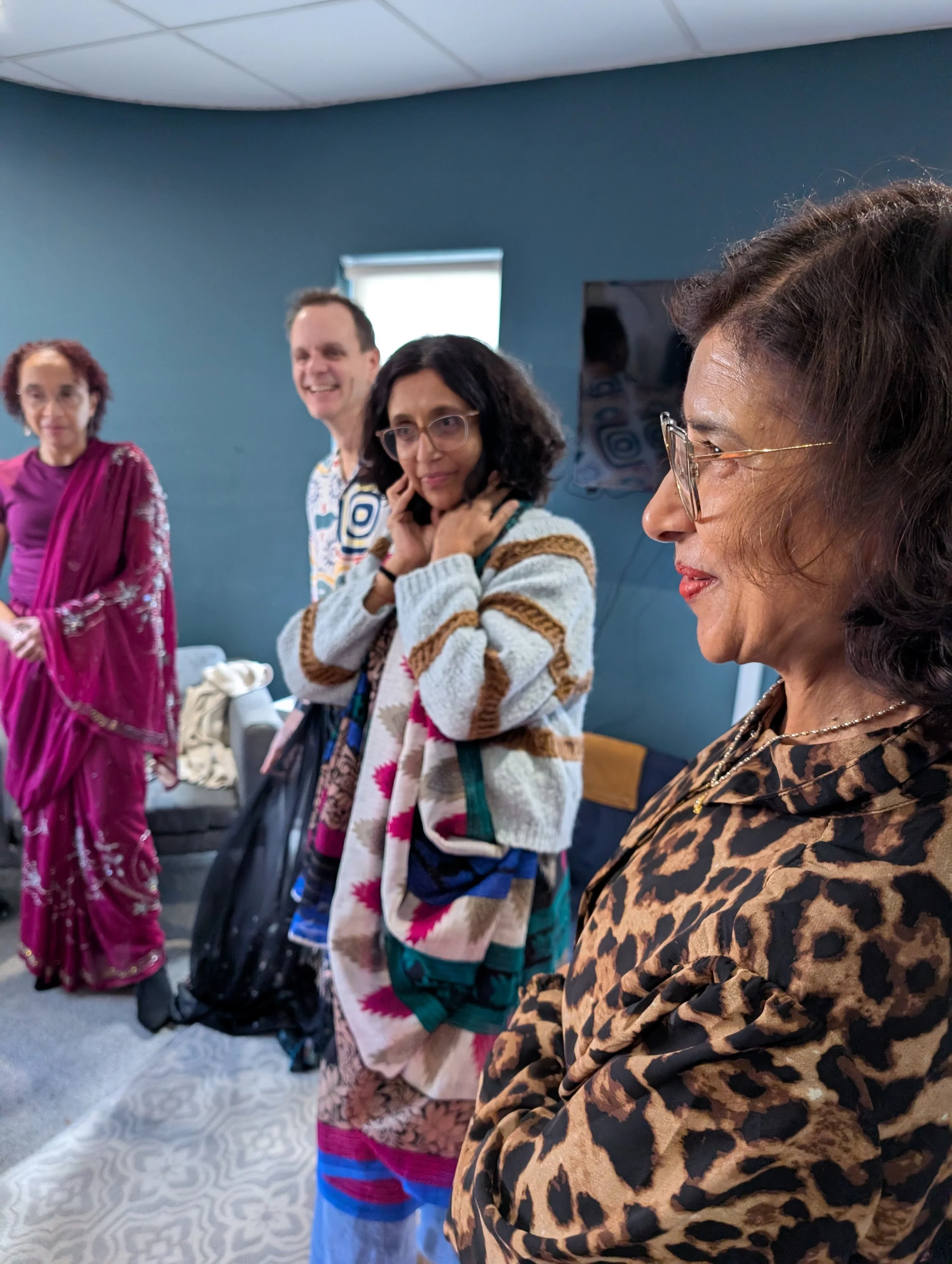
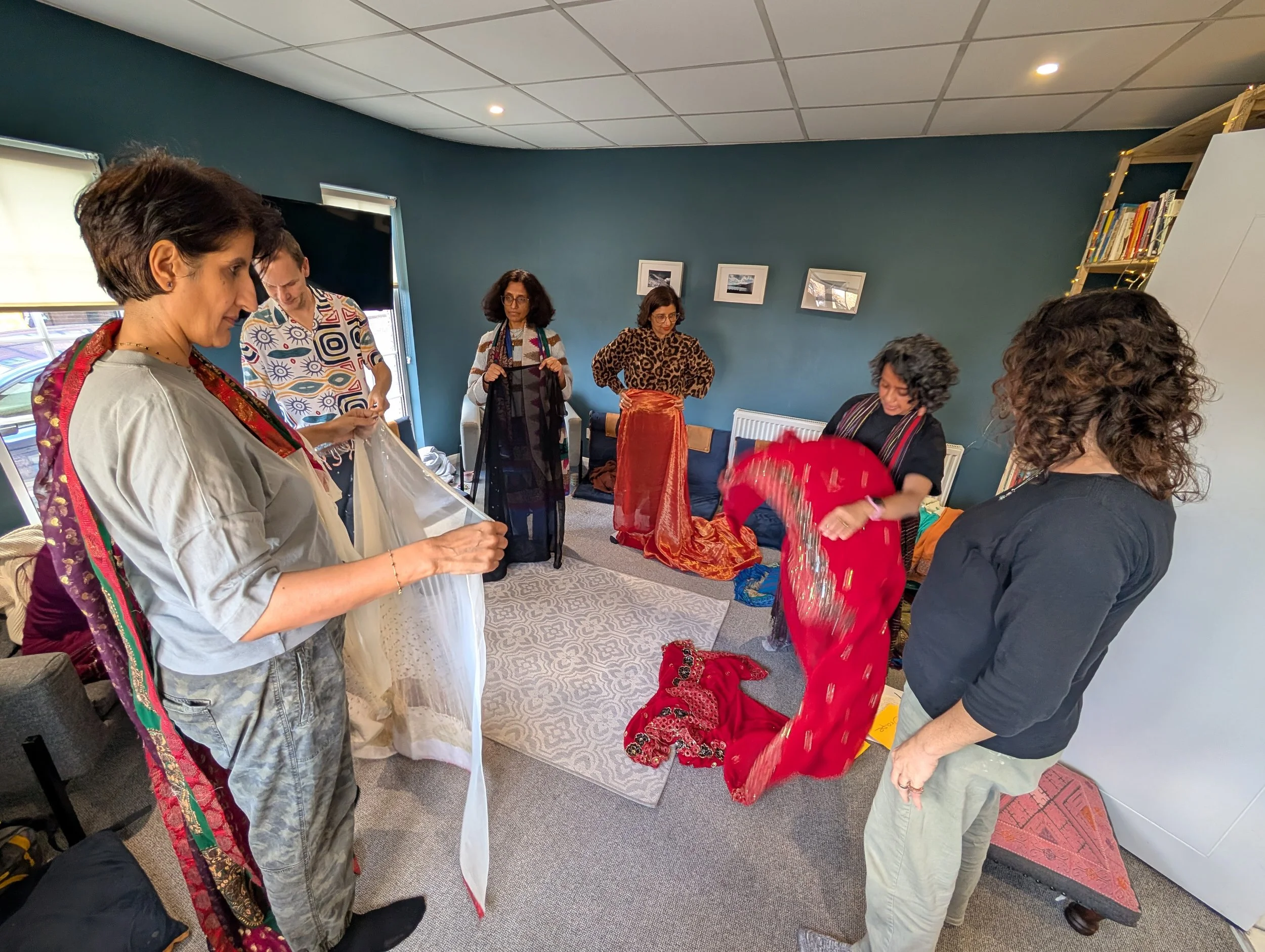
The Funshop took place at the Aashna Counselling and Psychotherapy building in London. The group gathered in a cosy room, setting the relaxed tone for the day. All but one participant were therapists with diverse clientele who have grappled with the issues of identity and intersection throughout their career and within their own lived experiences.
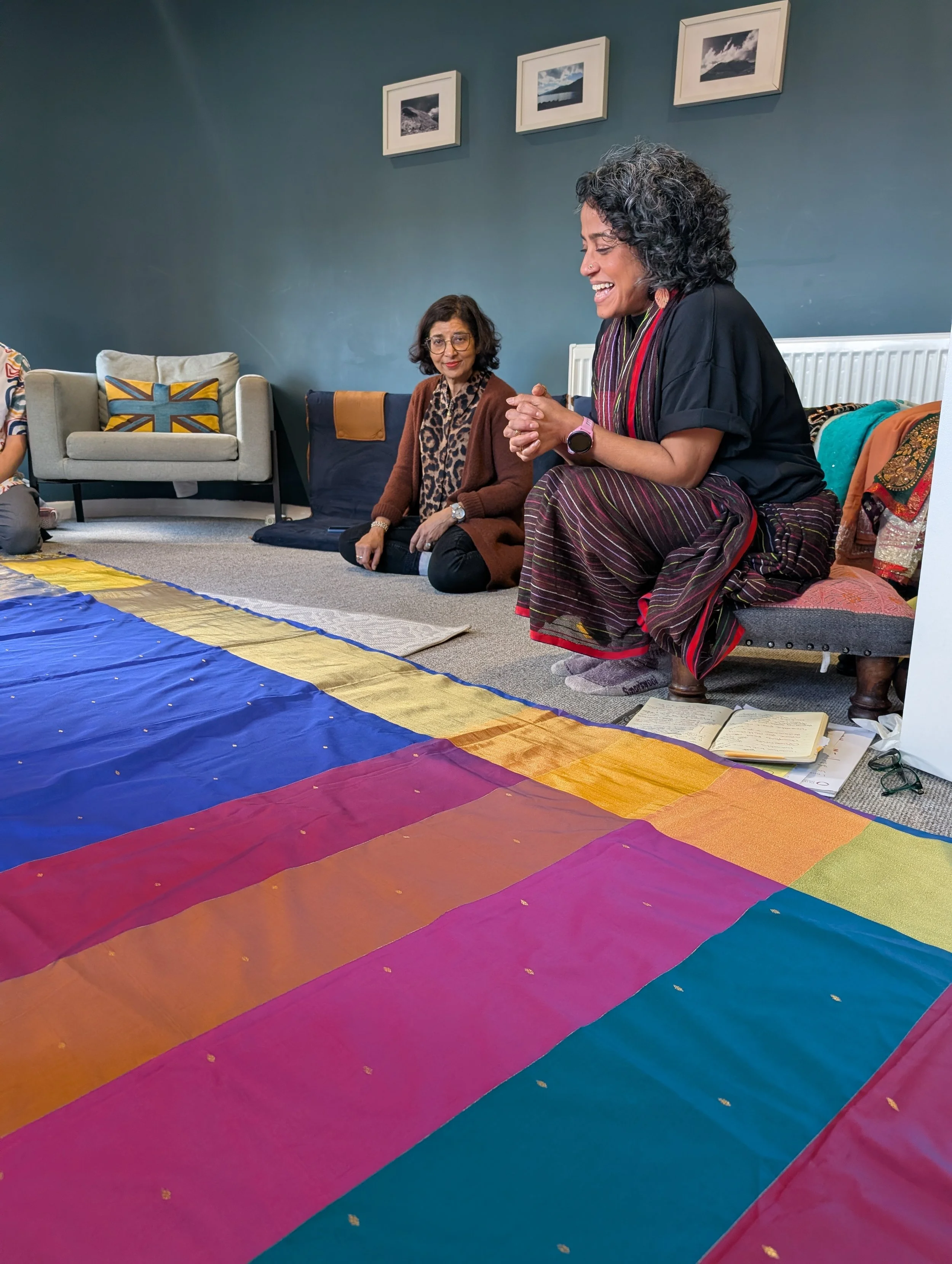
Once everybody had got comfortable, we began the session by thinking about what ‘queering the saree’ means. Poppy suggested that within the context, queering the saree refers to unfixing meaning and understanding.
We discussed the ideas proposed by Sarah Ahmed in her book ‘Queer Phenomenology: Orientations, Objects, Others’. Ahmed suggests that queering refers to utilising objects, spaces, or tools in methods outside of the way they were intended by the designer, or by those whom they were not designed for. The group agreed that queering the saree referred to the idea of reconsidering the saree’s purpose and challenging the idea that it can only be worn in a certain type of way by a certain kind of person. Poppy reflected that this process requires time and intentionality.
To learn more about the idea of queer use, you can read or listen/watch here Sara Ahmed's Queer Use which is a development of her aforementioned book. We also invite you to watch or listen to Healing Through Style┃The Healing Power of Style and Self Expression with Poppy Jaman, Arezoo Mohebpour, Runa Begum Uddi & Victoria Siegler, for another insight into the intersection between sartorial expression and identity.
The Funshop
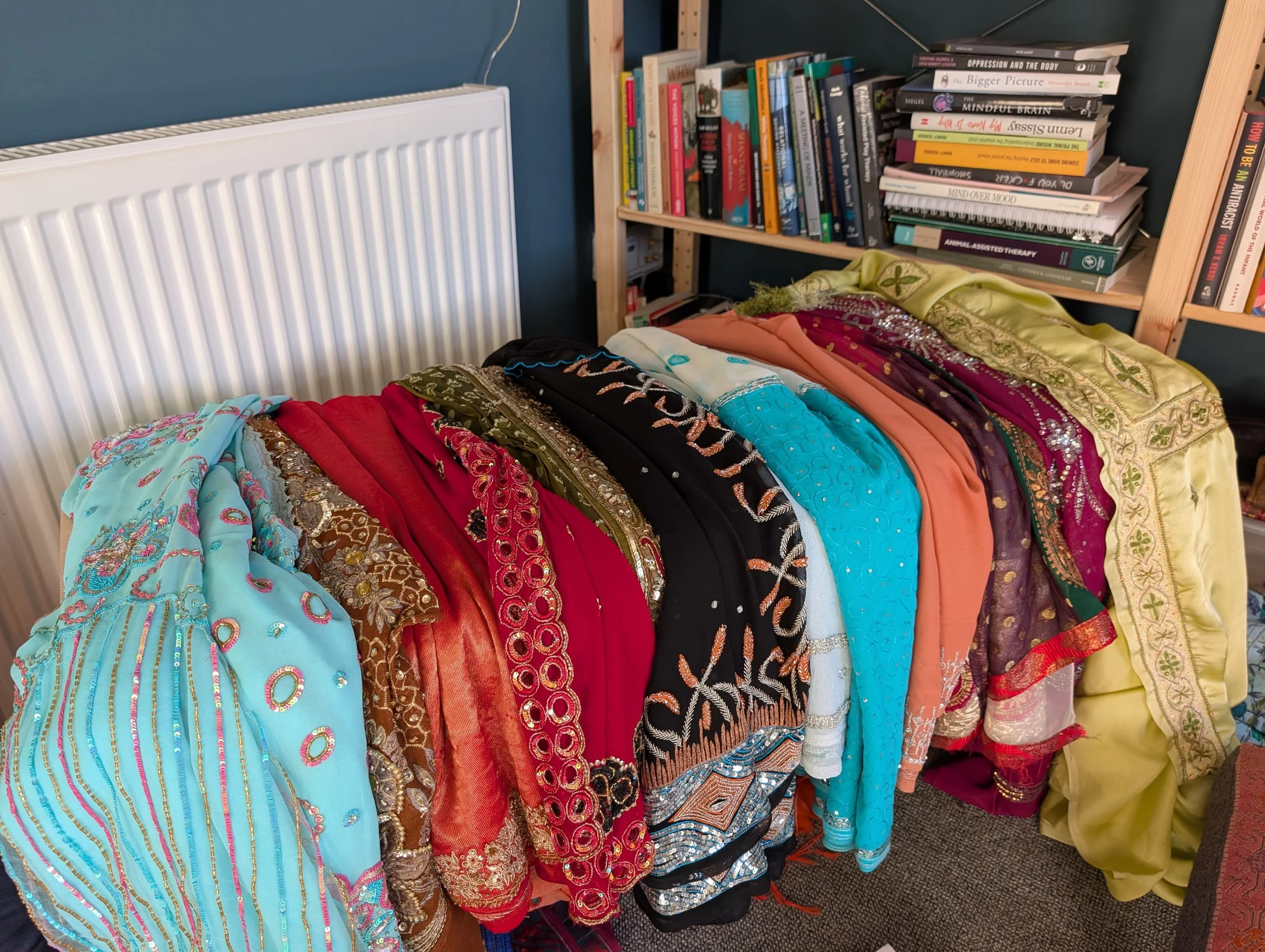
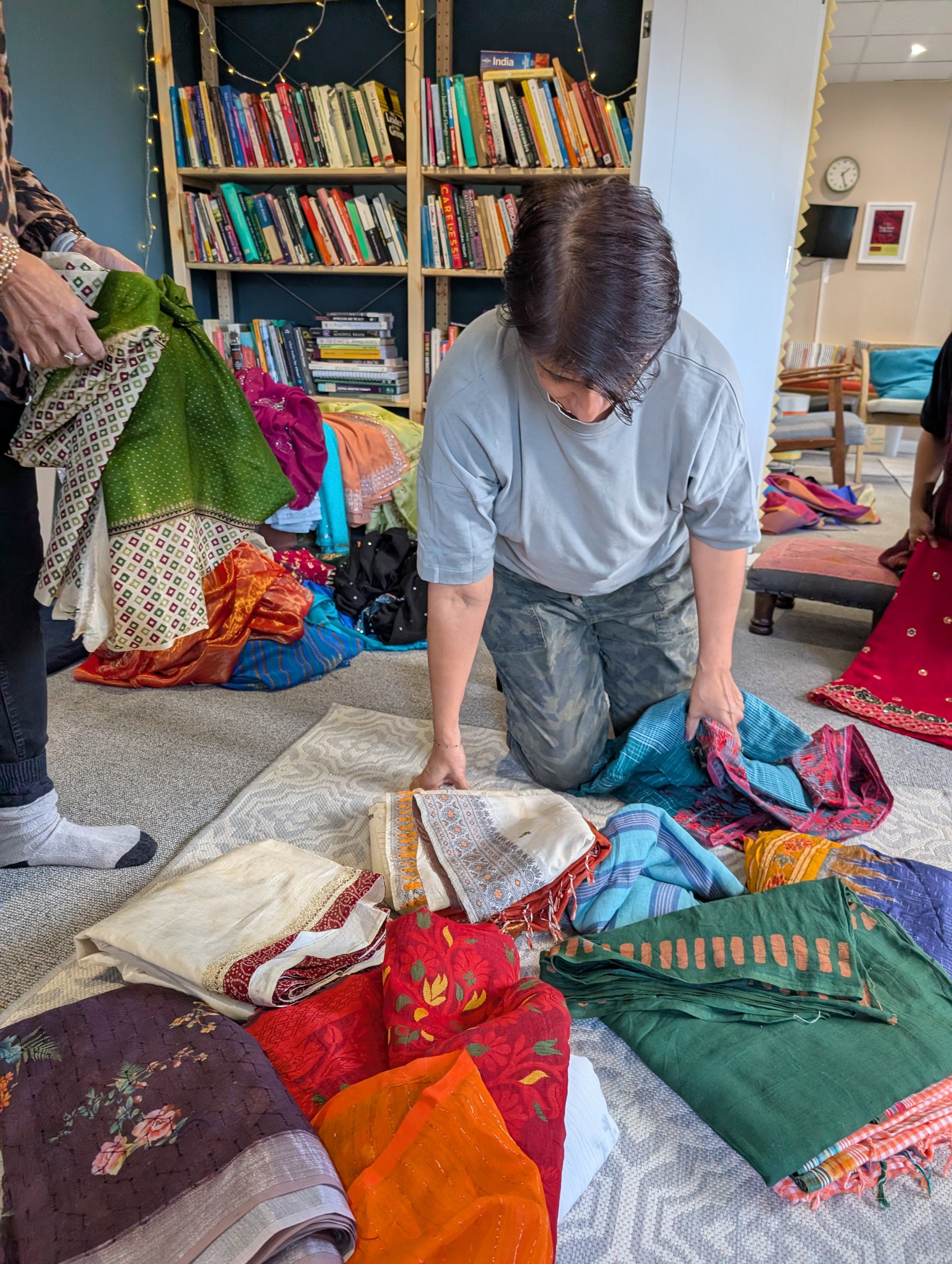
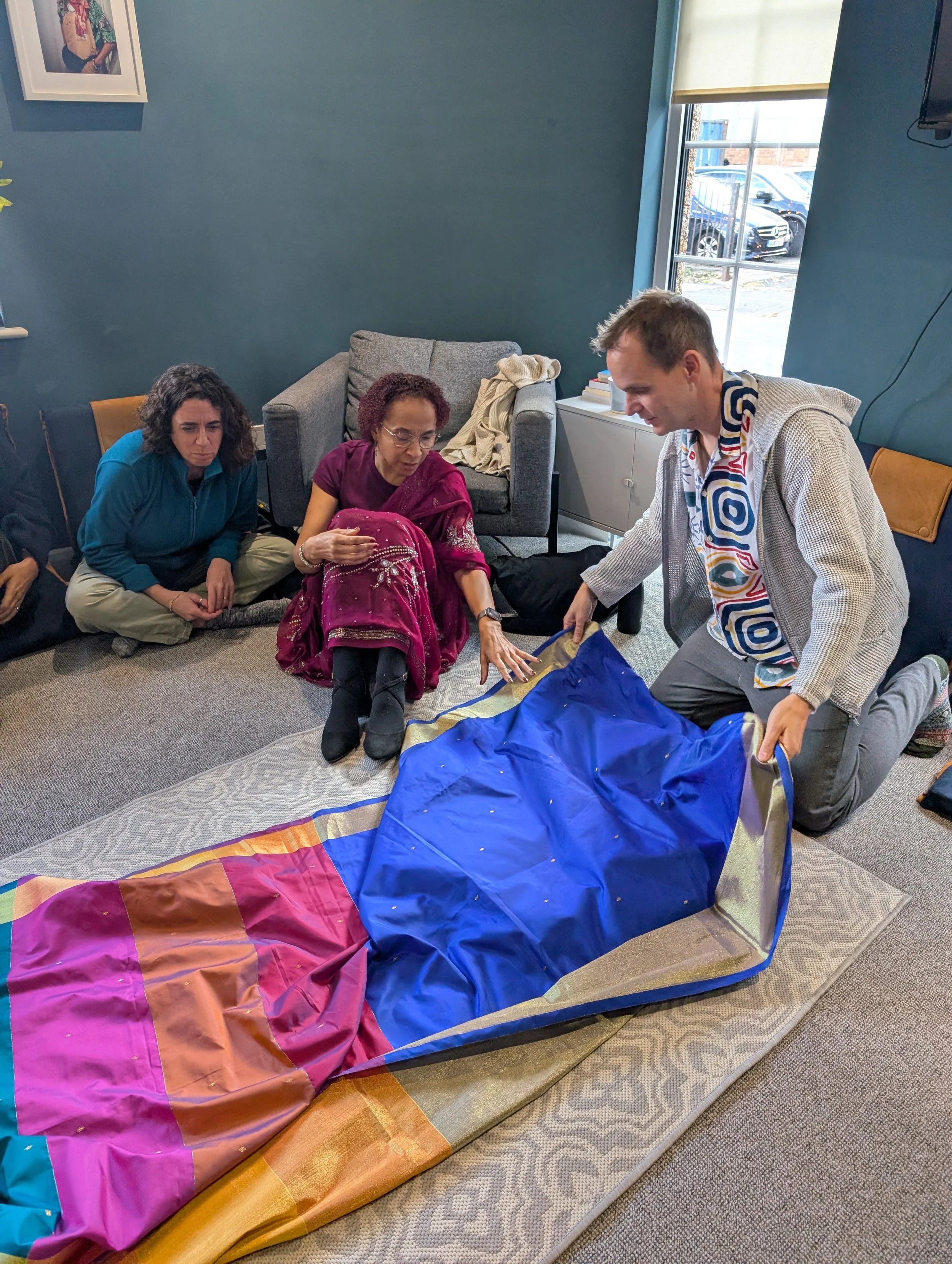
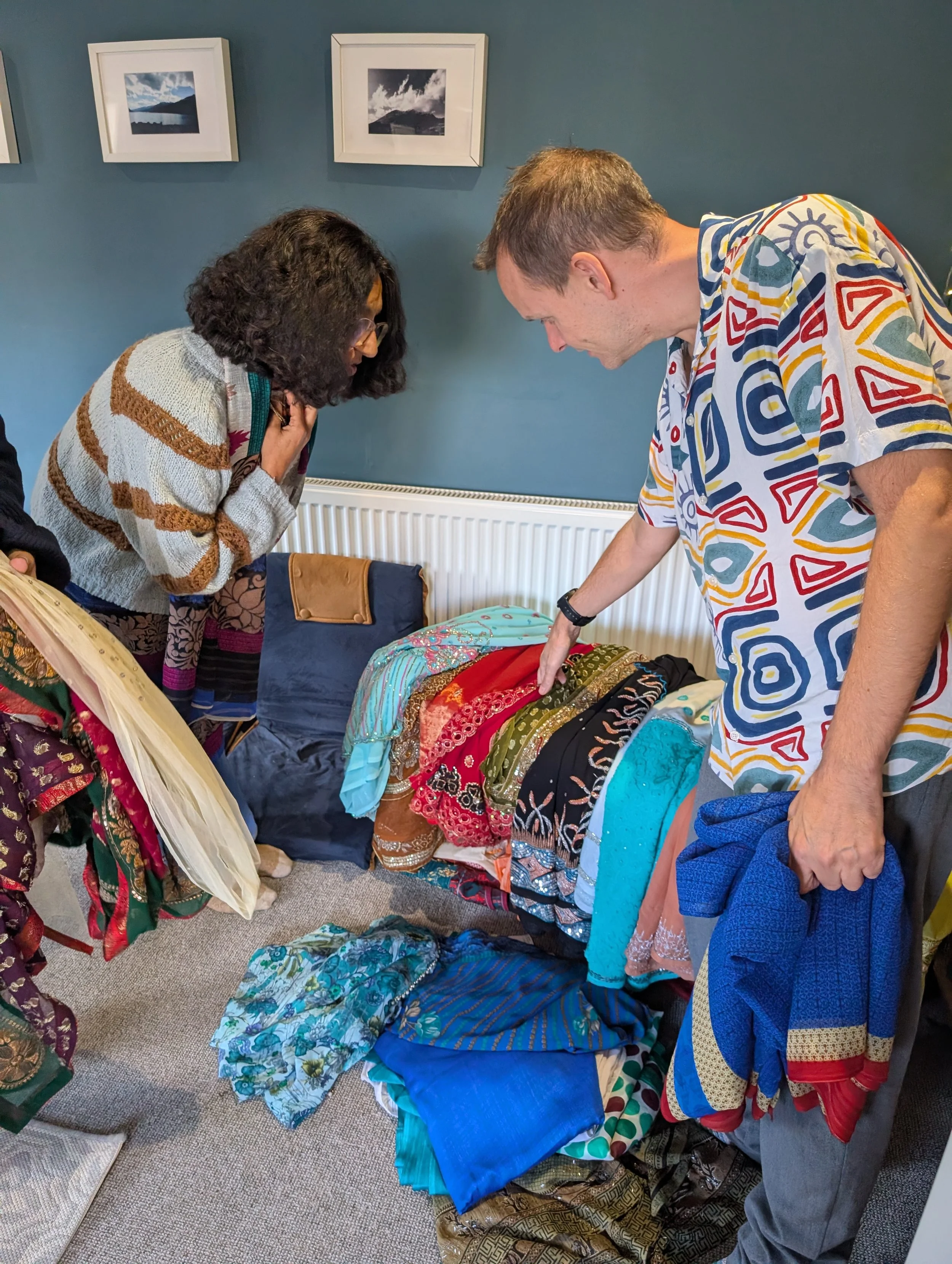
After our discussions, it was time to drape up! Poppy introduced the saree to the participants and personified it as an active participant within the group. By thinking of the saree as more than a resource, a greater sense of respect was created for the saree and where it comes from.
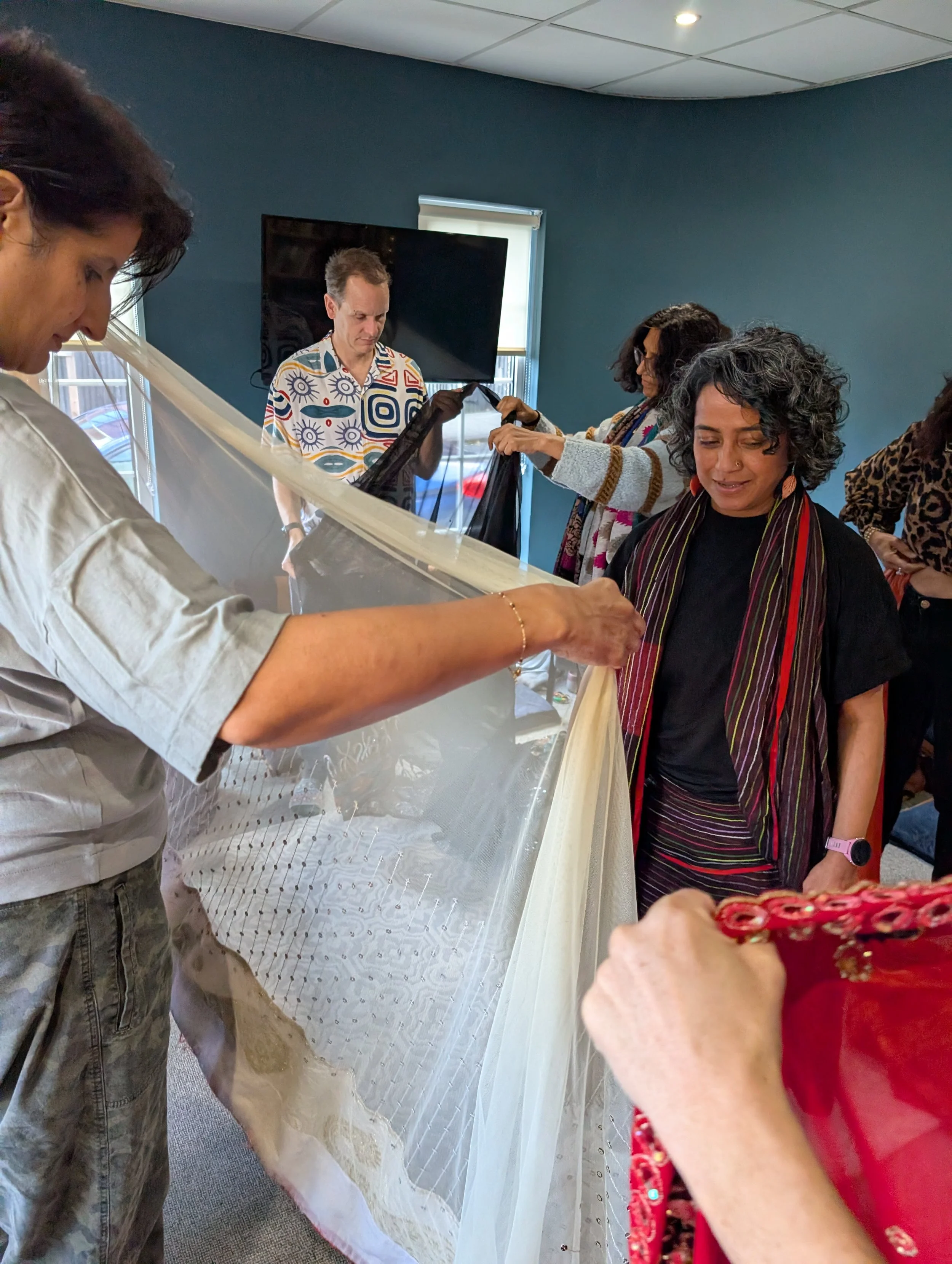
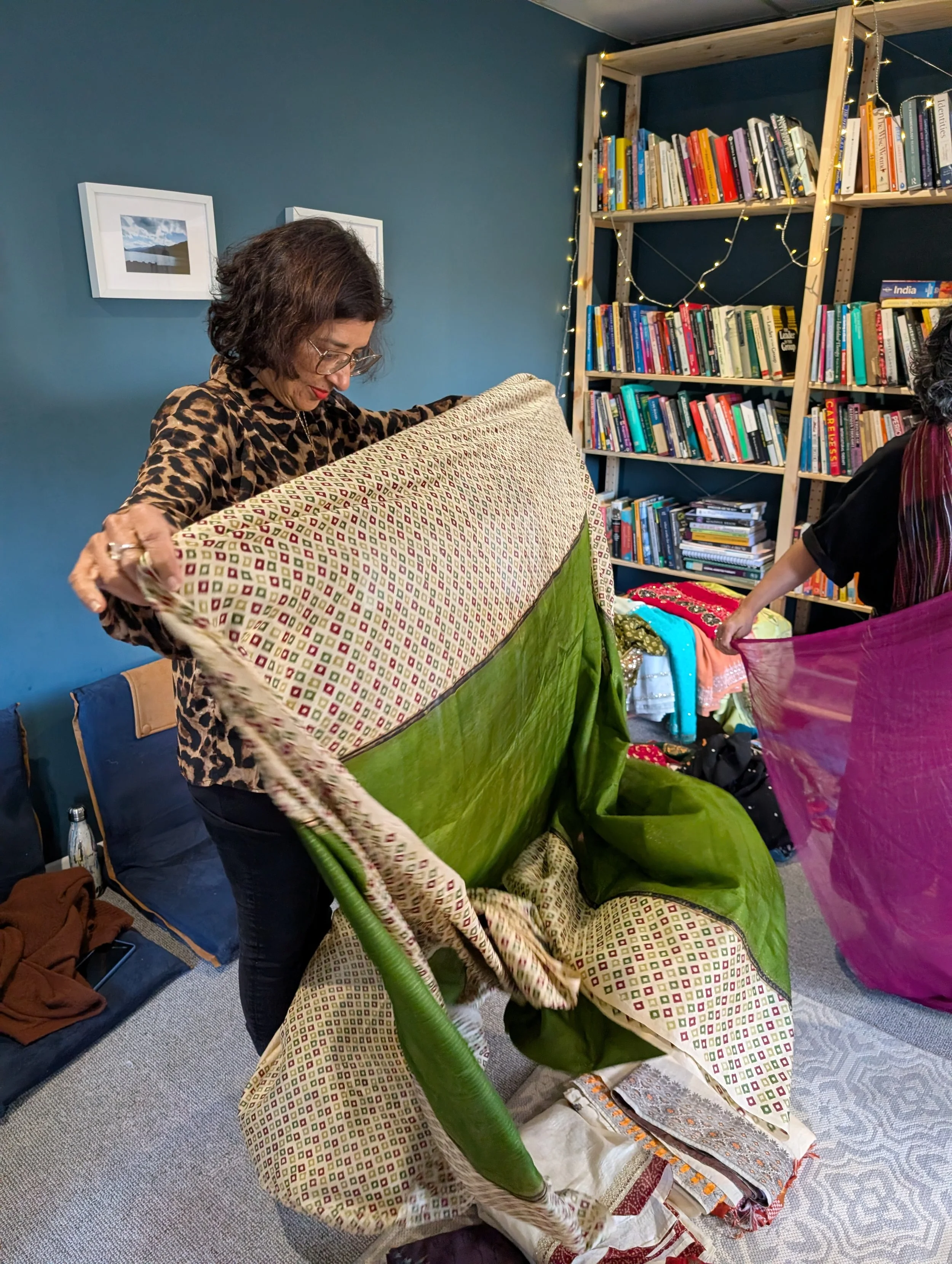
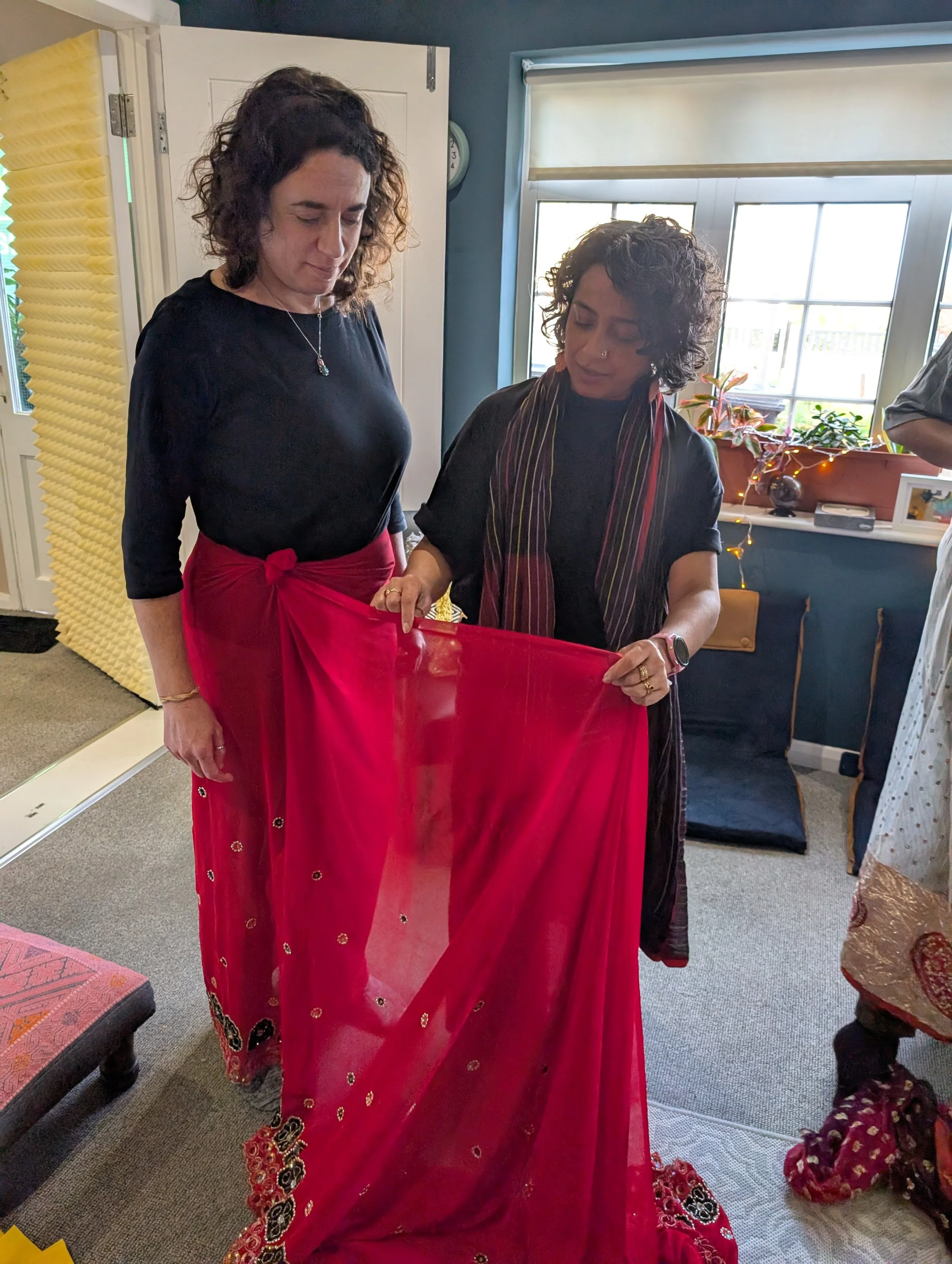
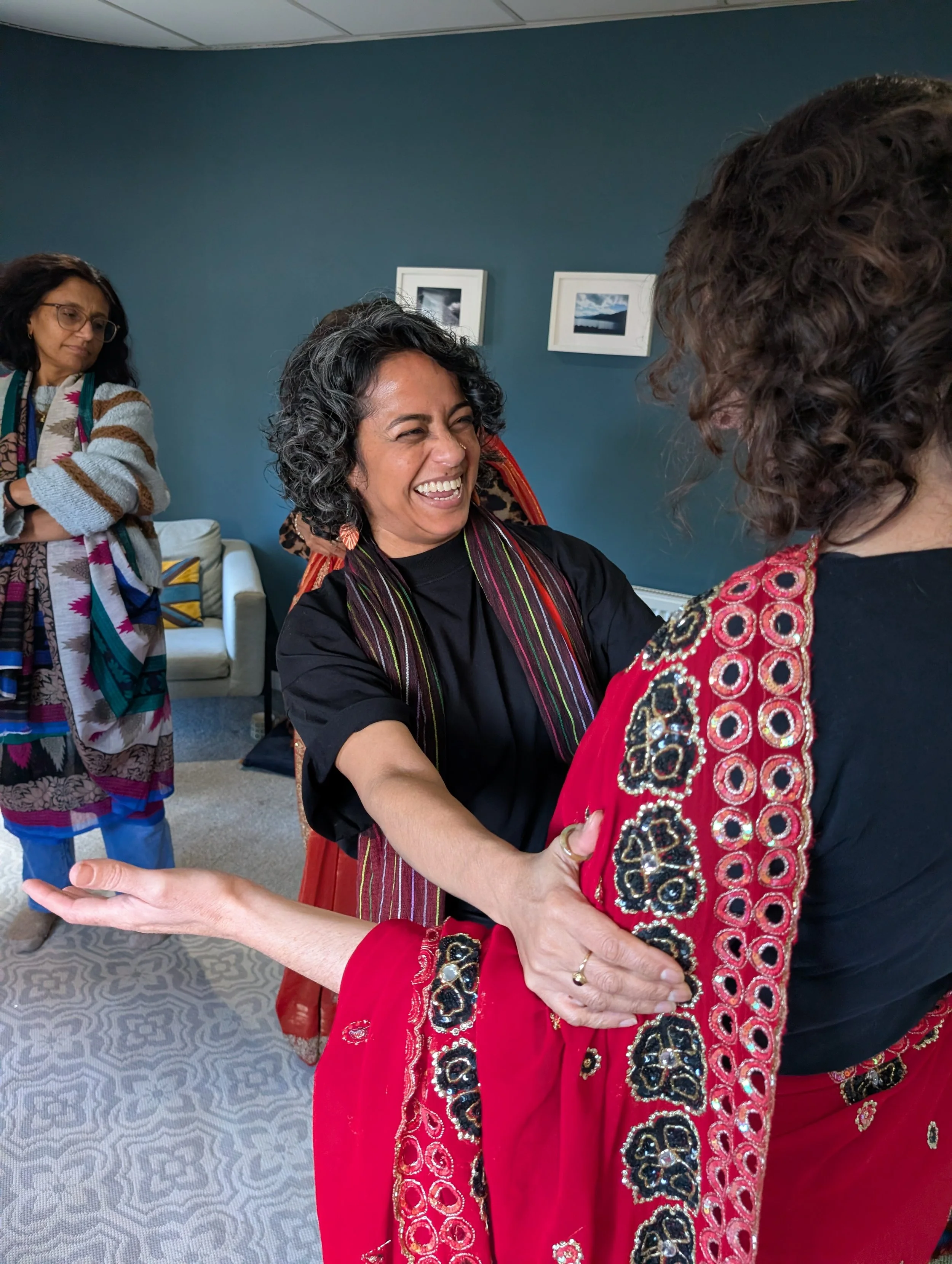
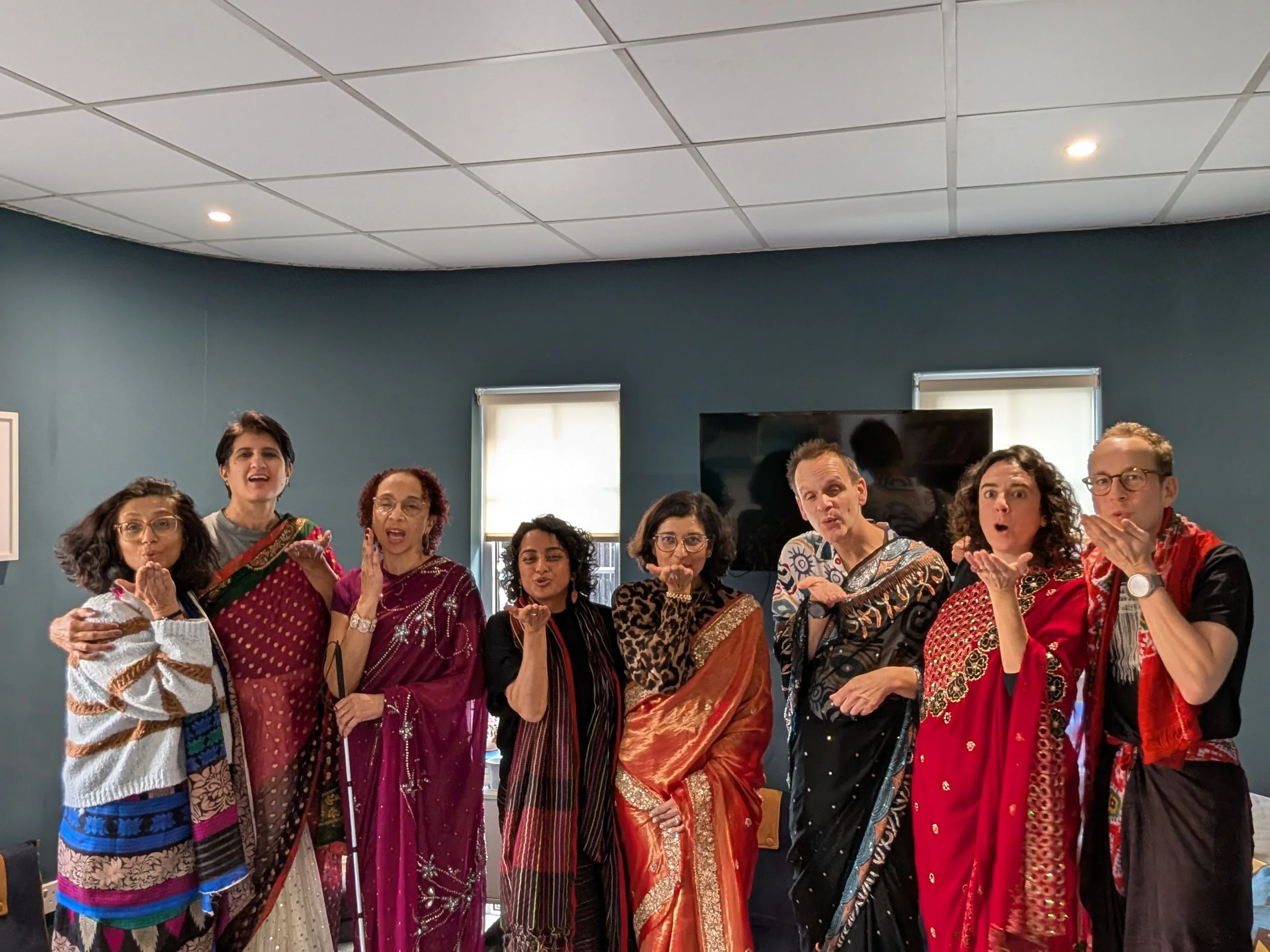
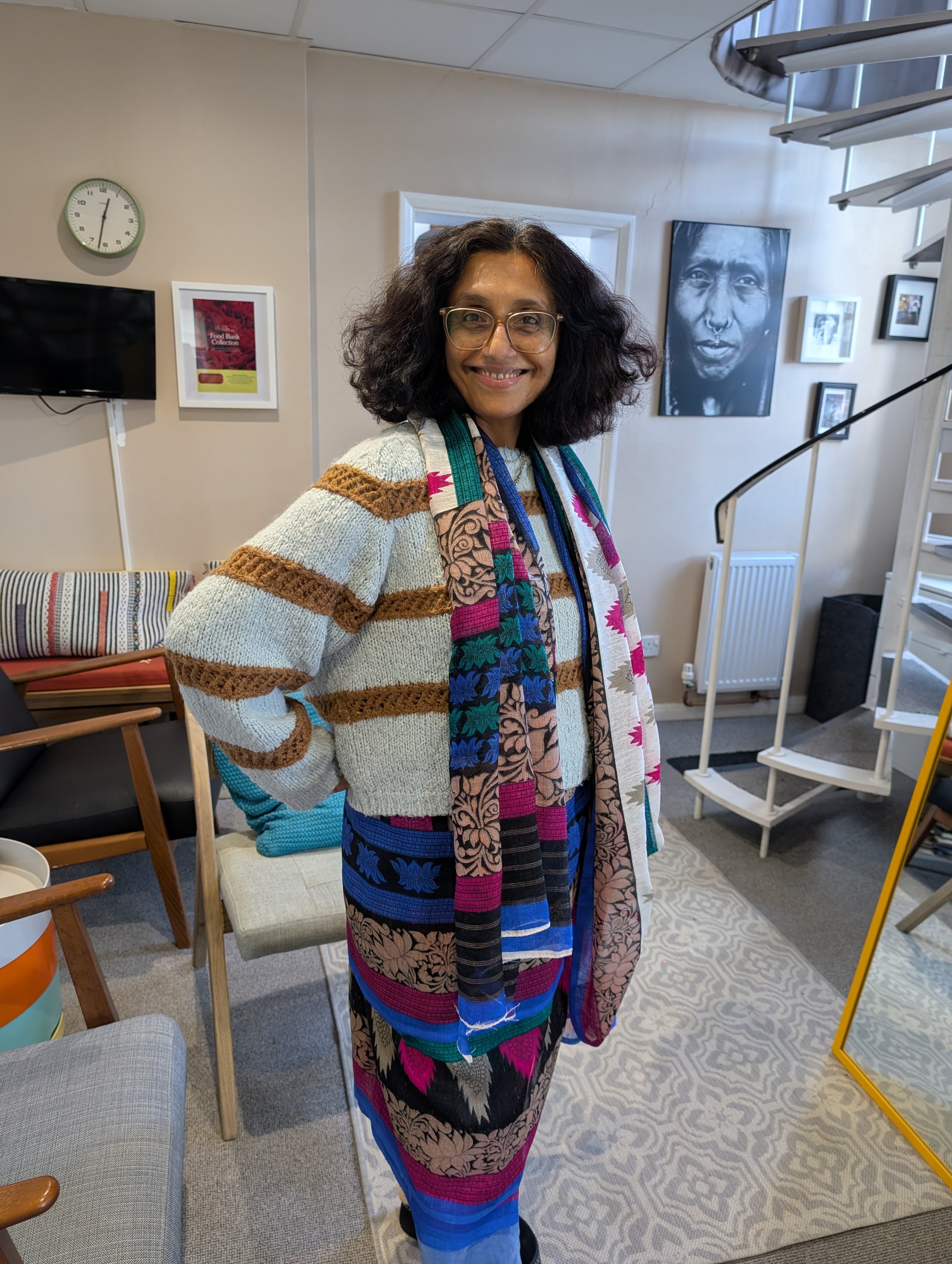
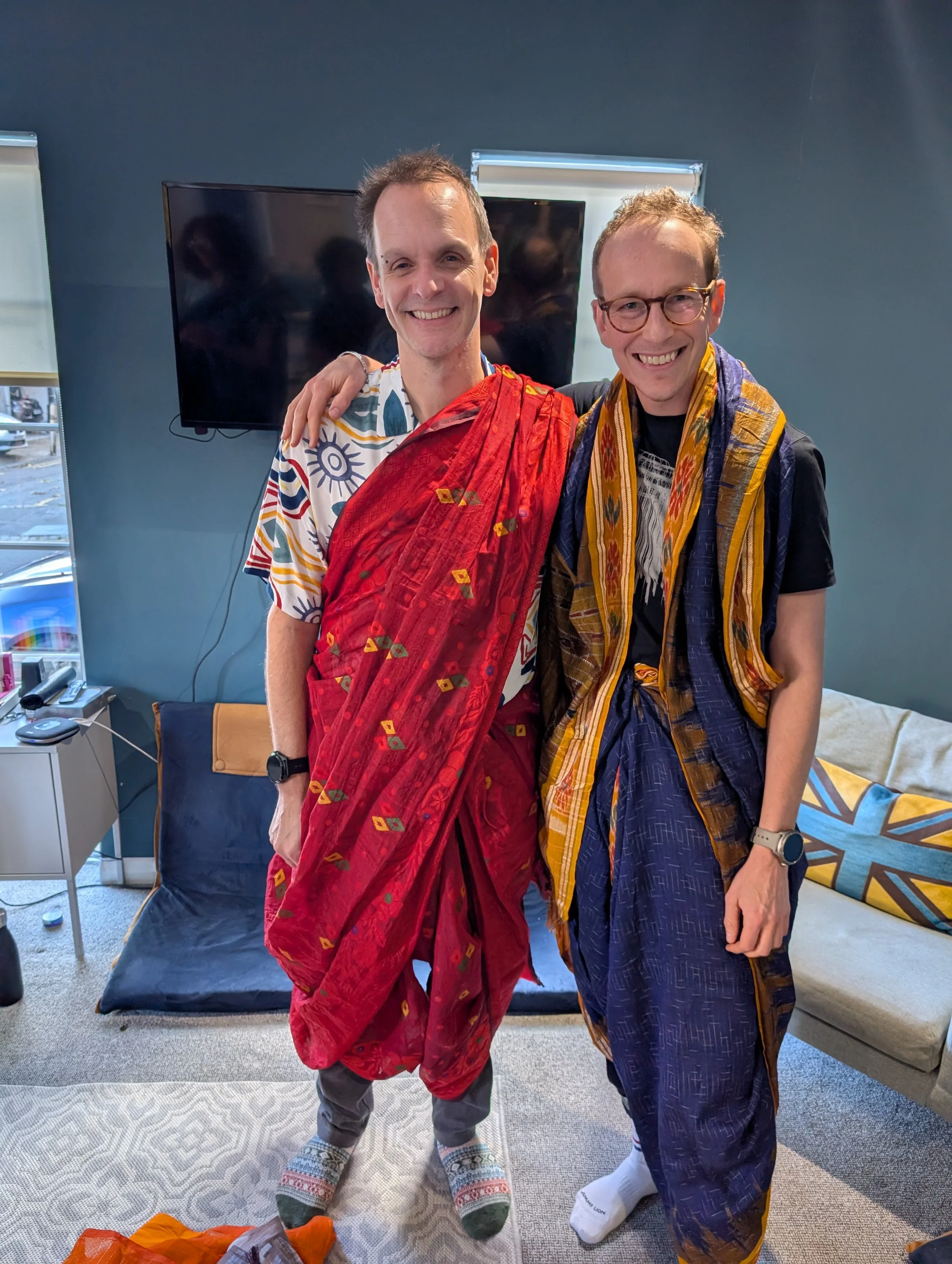
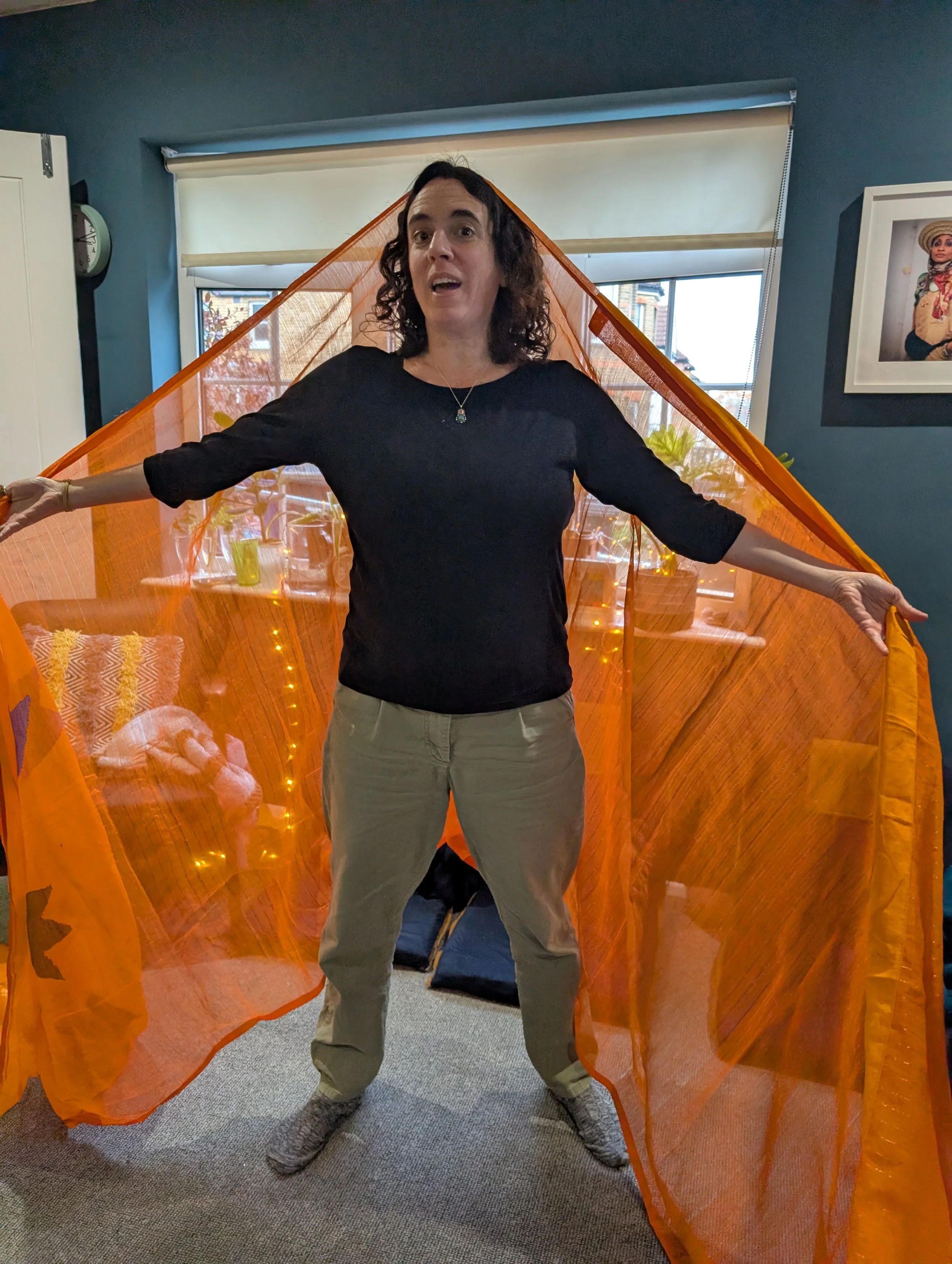
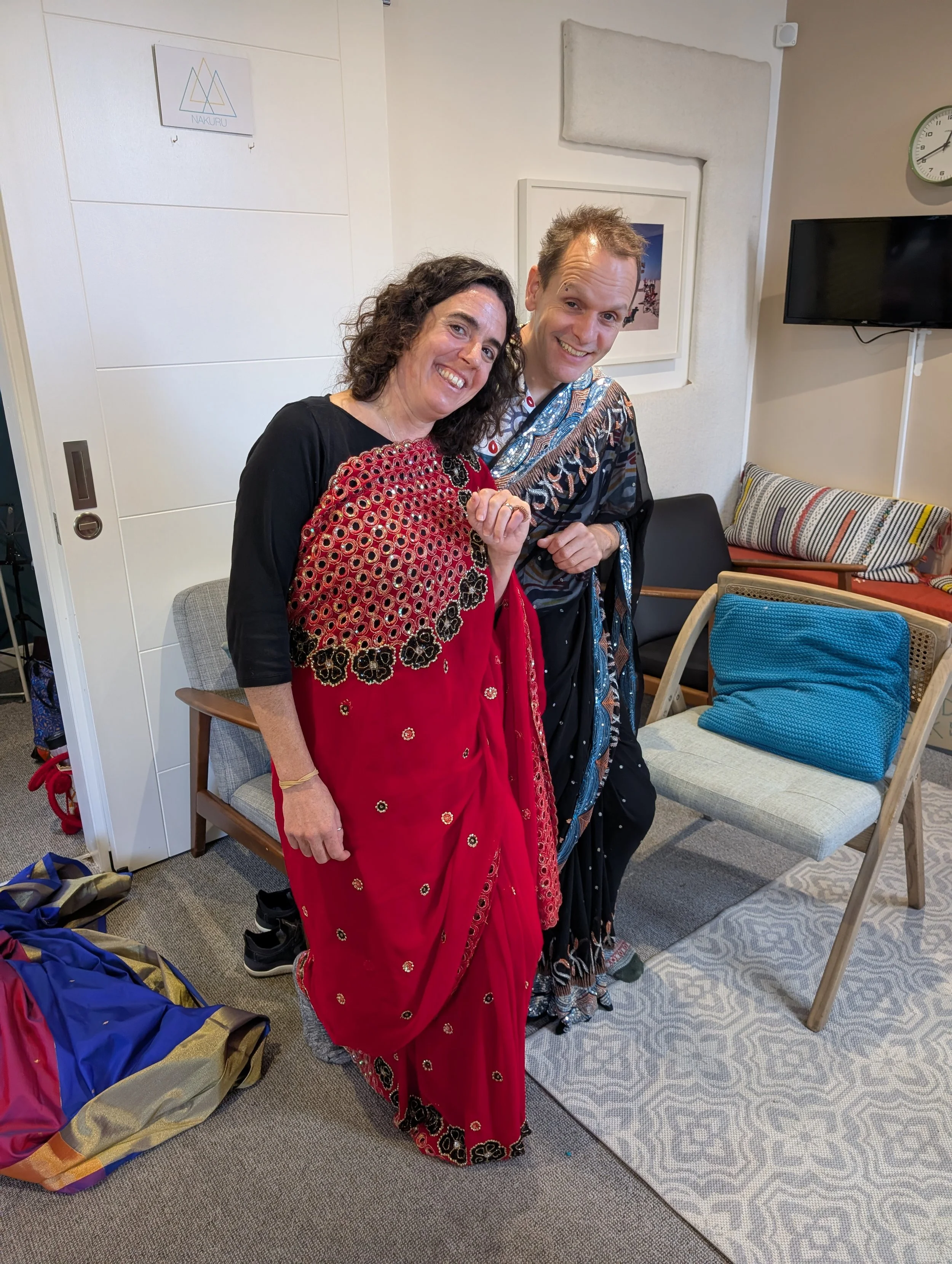
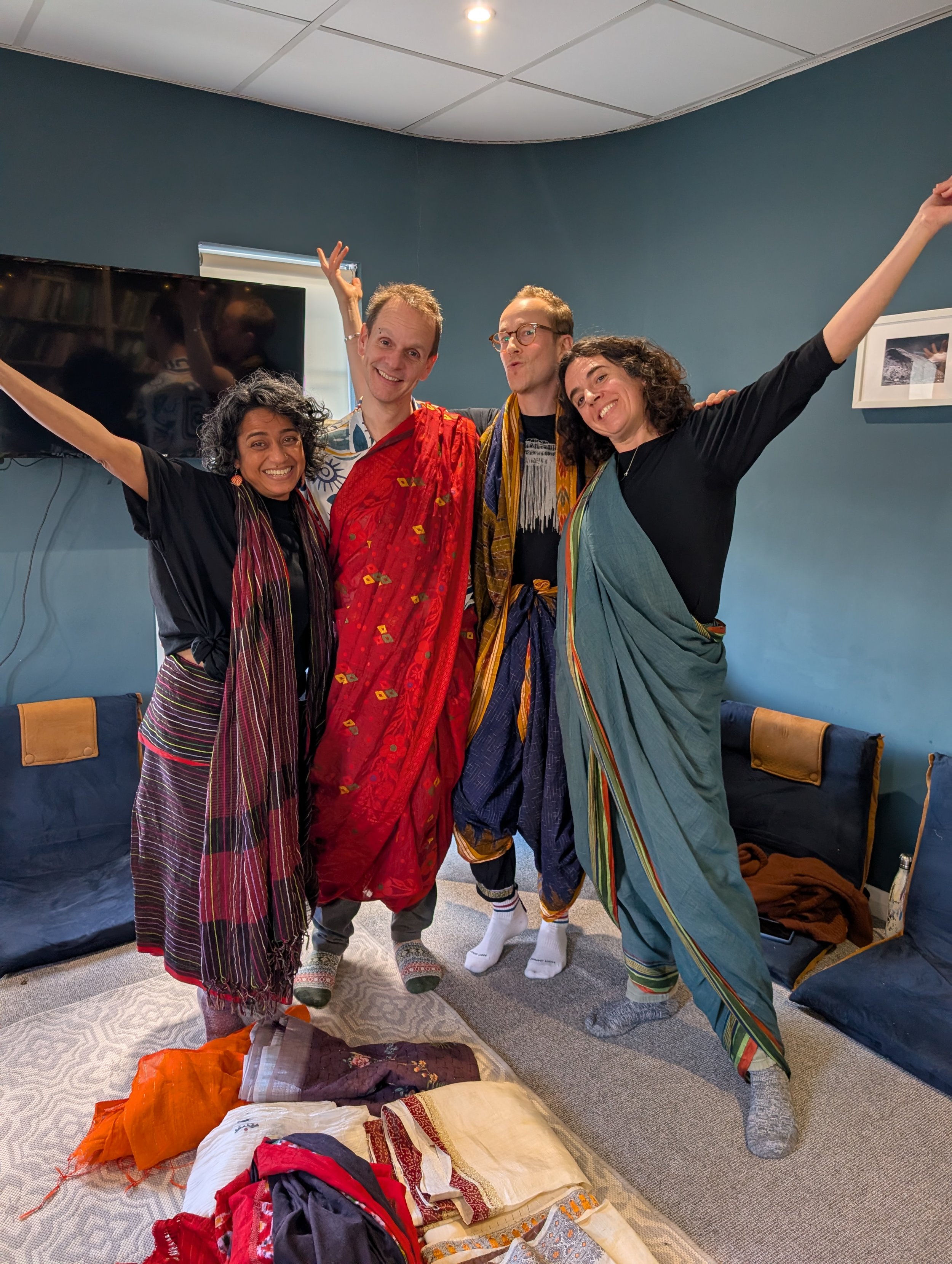
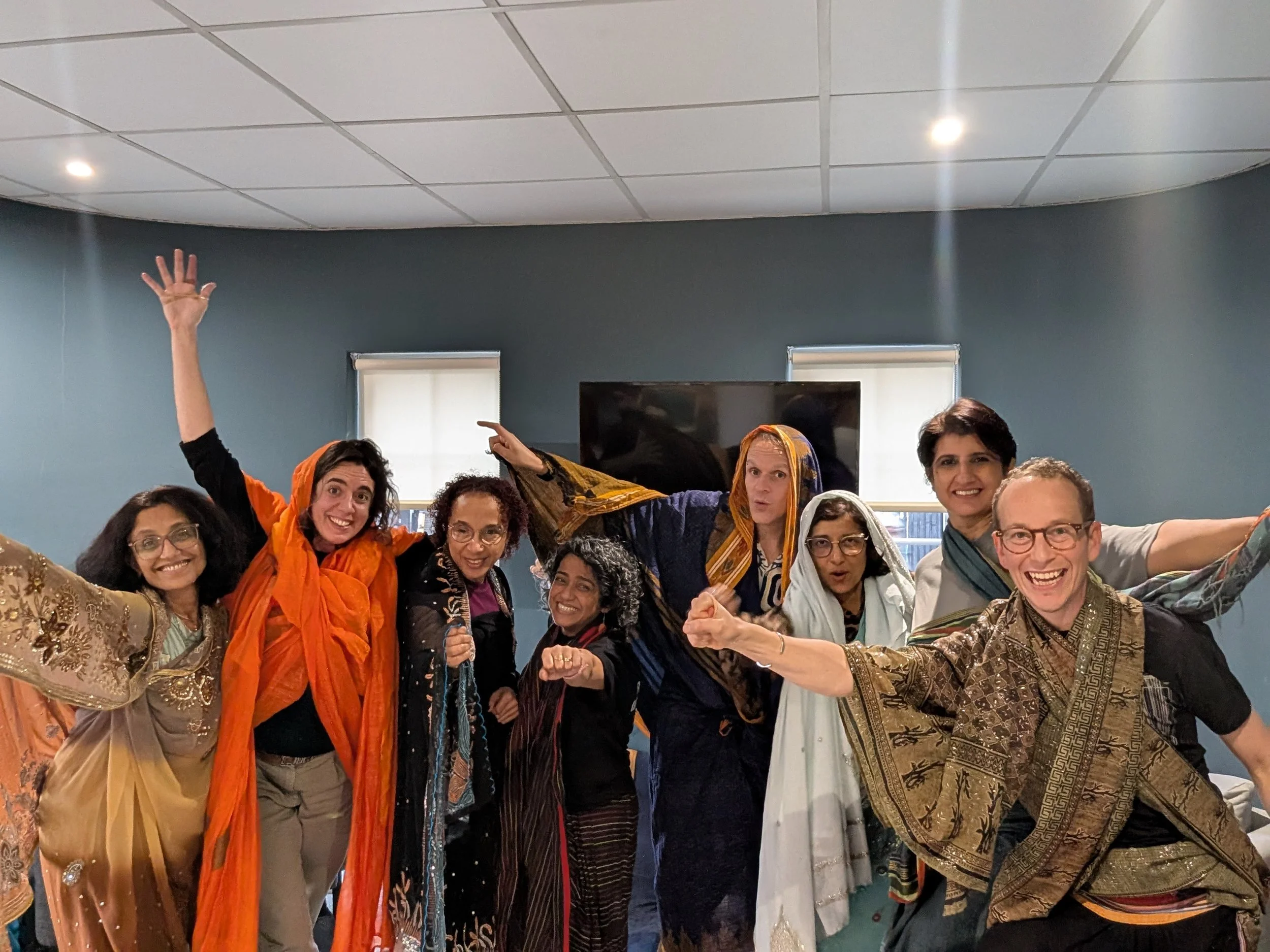
Poppy demonstrated how to drape the saree in two different styles; the nivi and dhoti drape. The group spent a couple of hours practicing how to style the different drapes, helping one another with pleats and knots and with plenty of guidance from Poppy! Some people even began experimenting with their own, unique drapes.
Poppy coined this experimentation as creating your own ‘super-hero’ drape; a style that made the wearer feel empowered and confident. The final drapes were thoughtful, creative and so fun, it was a reminder to us of how the saree invites us to be playful and push boundaries.
Two male participants shared that they felt ‘welcomed’ and ‘empowered’ by the versatility of drapes and they were ‘surprised and enlightened’ to learn how the saree has been adapted over time by different communities to fit different purposes.
Several South Asian participants reflected that they felt the funshop encouraged them to ‘reclaim’ the saree on their own terms, wearing it in a way that felt comfortable and true to their personalities, rather than how they were taught to wear it as they were growing up.
One South Asian participant announced at the beginning of the Funshop that she had previously ‘disowned’ the saree and lacked a relationship with it, because of the strict rules that she had grown up learning about how to wear the garment by elder relatives and women in her community. She reflected that the Funshop gave her permission to ‘throw the rule book out the window’ and redefine her connection to the saree and consequently, her own identity.
Another participant shared with us her resistance to draping the saree without a petticoat as that was how she had grown accustomed to wearing sarees. Within the session, we thought a lot about the idea of rigidity and being able to unfix our preconceived ideas and understandings. We invited people to let go of existing ideas they had about the saree, which the participant reflected allowed her to ‘feel free’ and served as a necessary reminder to not get caught up in rigid patterns. She shared that she would take the attitude of loosening up and letting go of certain structural patterns into her practice as a therapist.
The Group Experience
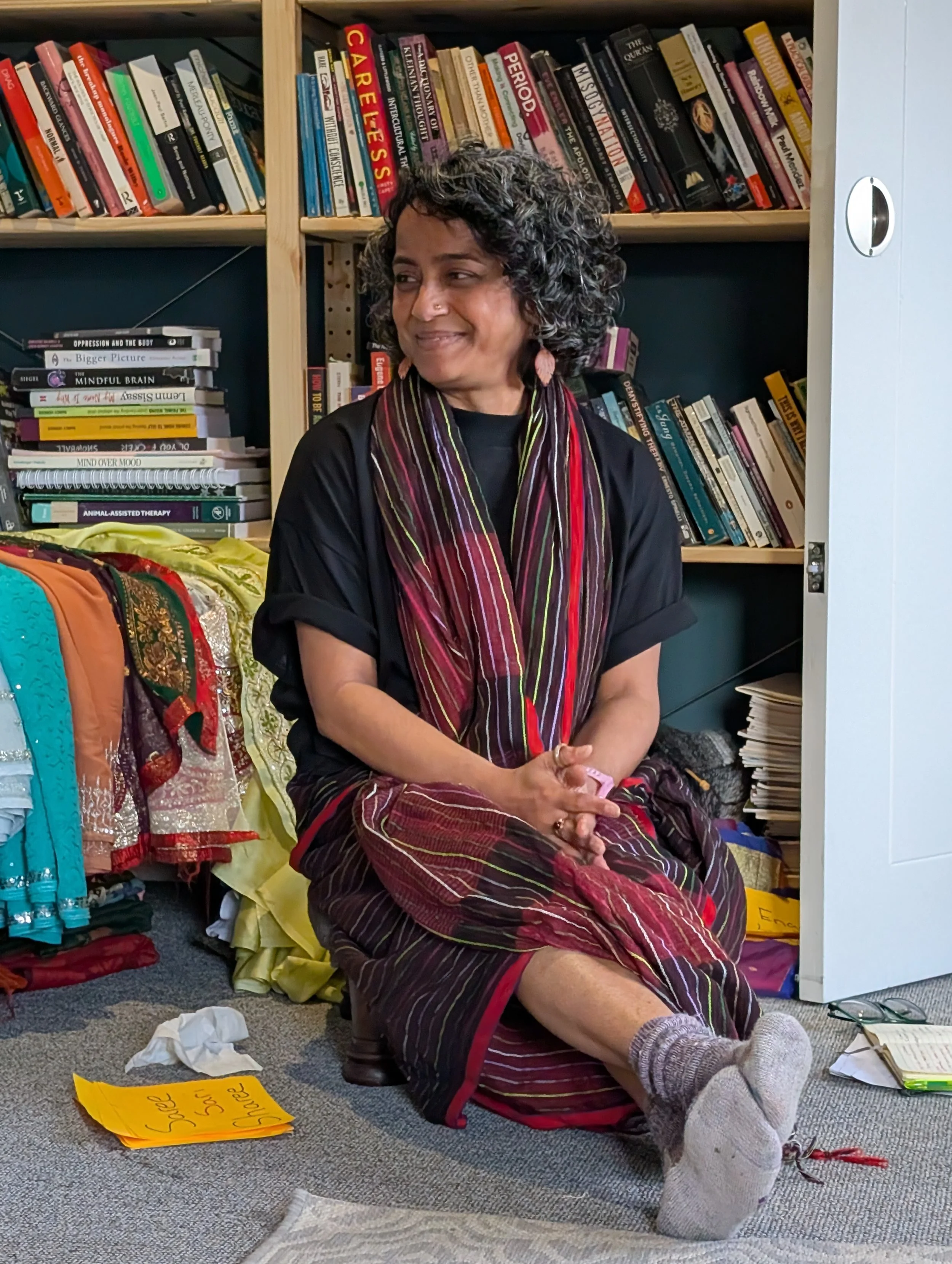
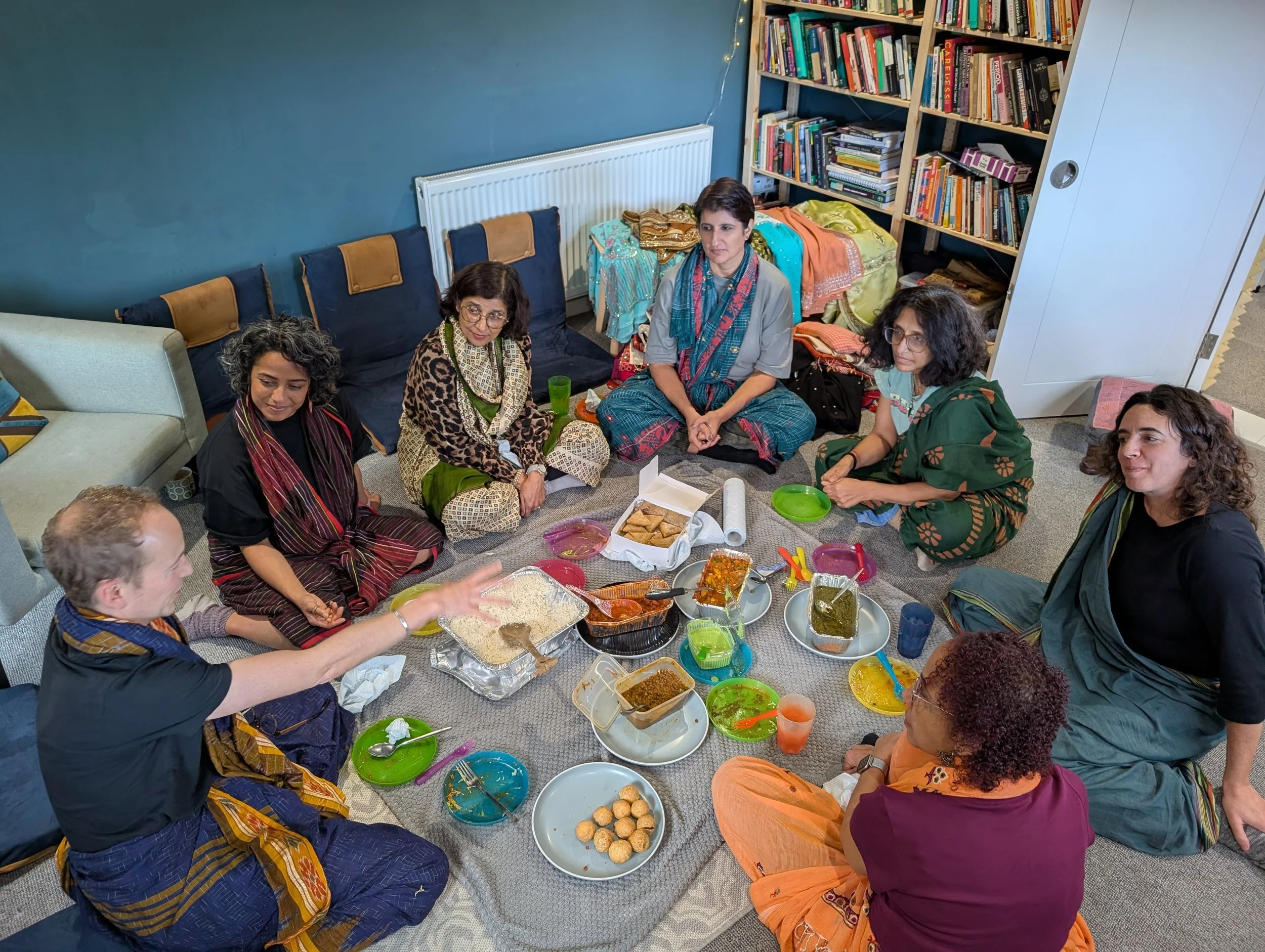
After we had all draped up, we sat together on the floor in our sarees and shared a meal together. We ate traditional Indian curries, samosas and pani puri. Shared meals are a vital aspect of South Asian culture and provide the setting for familial bonding. Eating together created another opportunity for connection and community within the group, which was especially important as we began to reflect on the day and what we had gained from the experience.
Everybody agreed that the Funshop gave them the experience to learn something new and have fun while doing it. One participant reflected: ‘I was surprised at how fun and playful it was and how meaningful wearing the saree felt given that I am not culturally connected to it’, which was particularly poignant. Her statement demonstrates the way in which the saree transcends location and culture - it is something that can belong to us all, if we are open to learning and playing.
It was also an opportunity for us to celebrate with one another. One participant, who is registered blind, took a picture of herself with her white cane once she had draped herself in a patterned saree. She shared with us that she had not previously felt confident to take pictures of herself but through wearing the saree and experiencing its comfort and fluidity, her confidence in herself expanded and she wanted to remember the moment. It was a particularly powerful experience for us all. Our communal sense of joy for her felt like a wonderful show of the community we had created within the session.
We would like to thank Aashna for inviting us to host this Funshop.
The Experience…